
Crédits : Lina Tchalabi. Translation: Jill Harry. Photos: Julie Limont & DR
Interview
Drouant

A very deep feeling: that of coming home. For the past 13 years, I have looked forward to the monthly luncheons. I rediscover a place and familiar faces: James Ney and his team, Chef Romain Van Thienen, as well as Thierry, Stéphane and Laurent Gardinier.
Not really. I am above all a passionate reader. When I joined the Academy in 2012, I wanted to place the time I spend reading at the service of French literature. After receiving several distinctions myself, I felt the need to support and get involved with authors. Even if it means spending the whole summer reading every day and feeling mentally exhausted in September (laughs).
Due to its longevity and renown. Founded in 1903, it is the oldest in the world, after the Nobel Prize. Its prestige was so instantaneous that Marcel Proust (1871-1922) coveted it for years before winning it. Today, its influence is international: the book that wins is translated into 20 to 30 languages. In France, there is also an economic effect. For a publisher, the Prize accounts for about three years of income. On average, sales attain 500,000 copies in large format. We are aware of this responsibility, and of ripple effects on the prize-winner’s career and life.
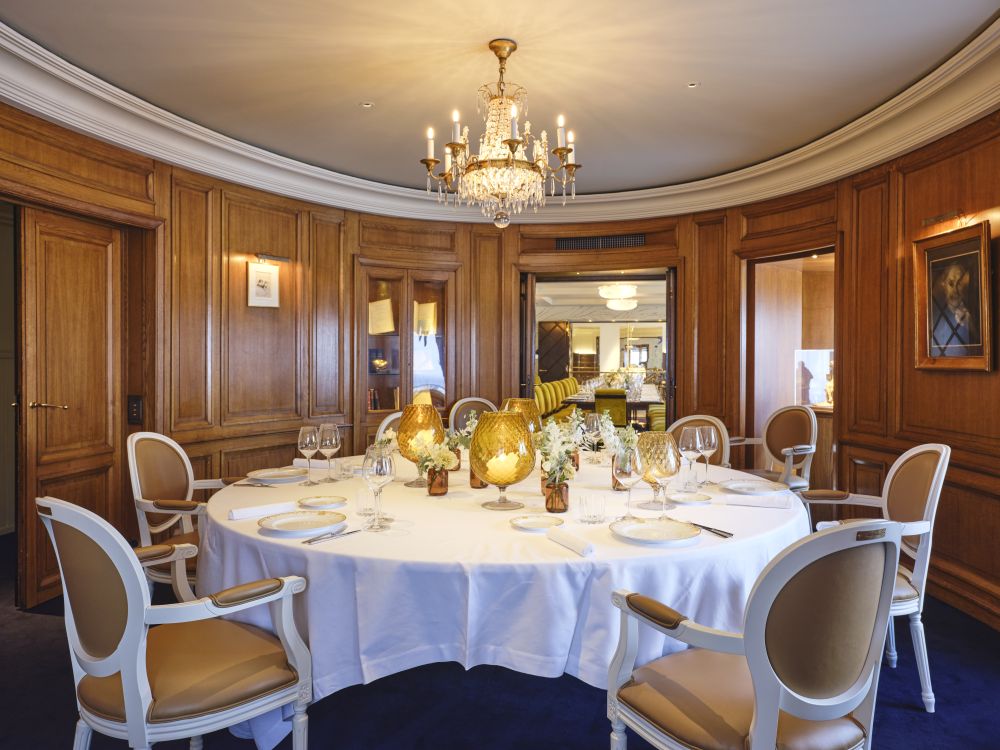
French cuisine is an art form celebrated by many writers, especially Colette, who was also a Member of the Academy and President of the Goncourt. On taking a closer look, the creative processes are similar: a phase of solitary reflection, then work assembling words or ingredients. The intention is the same: to create for others, while hoping to rouse enjoyment and mark people’s minds. And a book, like a splendid dish, does not exist alone. It is the result of several talents, a publishing house or a kitchen brigade.
I would like to reinforce our international reputation thanks to the Goncourt Choices abroad - in over 75 countries; to maintain serenity within the Academy; and guarantee democratic functioning whereby each Member’s thoughts will be heard and respected.
It is an excellent initiative, reviving the tradition of literary salons in the 17th and 18th centuries. Combining this prestigious address with encounters with authors allows for precious moments of conviviality to be enjoyed around a book or theme.
The menu for the Goncourt Prize Day is the gastronomic high point of the season. I have always wanted to maintain the old tradition of serving game. This lunch is a real-life spectacle: a unique instant of virtuosity on the part of the entire Drouant team, when the literary and culinary arts come together. I am pleased that it is then featured on Drouant’s menu for a month, after the prize announcement, so that the public can discover it.
To contact one of Our Houses, please click on the bell.

 Informations